Rising energy costs, tighter regulations, and growing expectations from tenants and investors are pushing sustainability from a nice-to-have to a baseline requirement when investing in construction. Industrial buildings that ignore it now risk becoming outdated assets within a decade.
For owners and contractors planning a new commercial or industrial facility, this sustainability shift is worth understanding and implementing. However, sustainable construction practices do not just rely on one product or technology; they are a series of practical decisions made depending on project requirements, waste separation, water management, and more.
In this article, we will explore where the construction industry is heading, the key principles behind sustainable building, and the long-term benefits of getting it right.
The shift toward sustainable building
Not long ago, sustainability in commercial construction meant little more than a few solar panels and a recycling bin on site. But today that has changed. Institutional investors and larger occupiers now treat energy performance, embodied carbon, and operational efficiency as baseline expectations, not optional extras.
Several forces are driving this shift. Energy prices keep climbing, so occupiers want buildings that cost less to run. Regulations such as the National Construction Code continue to lift minimum energy efficiency standards with each update. And tenants increasingly carry their own sustainability targets, which flow directly into the buildings they choose to lease.
In Western Australia, the shift is especially visible in the industrial sector. And it’s driving demand for solar-ready roofs, efficient services, and provisions for battery storage and EV charging.
Key sustainability principles in construction
Sustainable practices in building and construction cover the full life of a project, from the materials chosen at the design stage to how the building performs decades later. Four principles do most of the heavy lifting.
1. Energy-efficient design and materials
The biggest sustainability gains happen before construction starts. Building orientation, insulation, natural light, and ventilation all shape how much energy a building uses every day of its life.
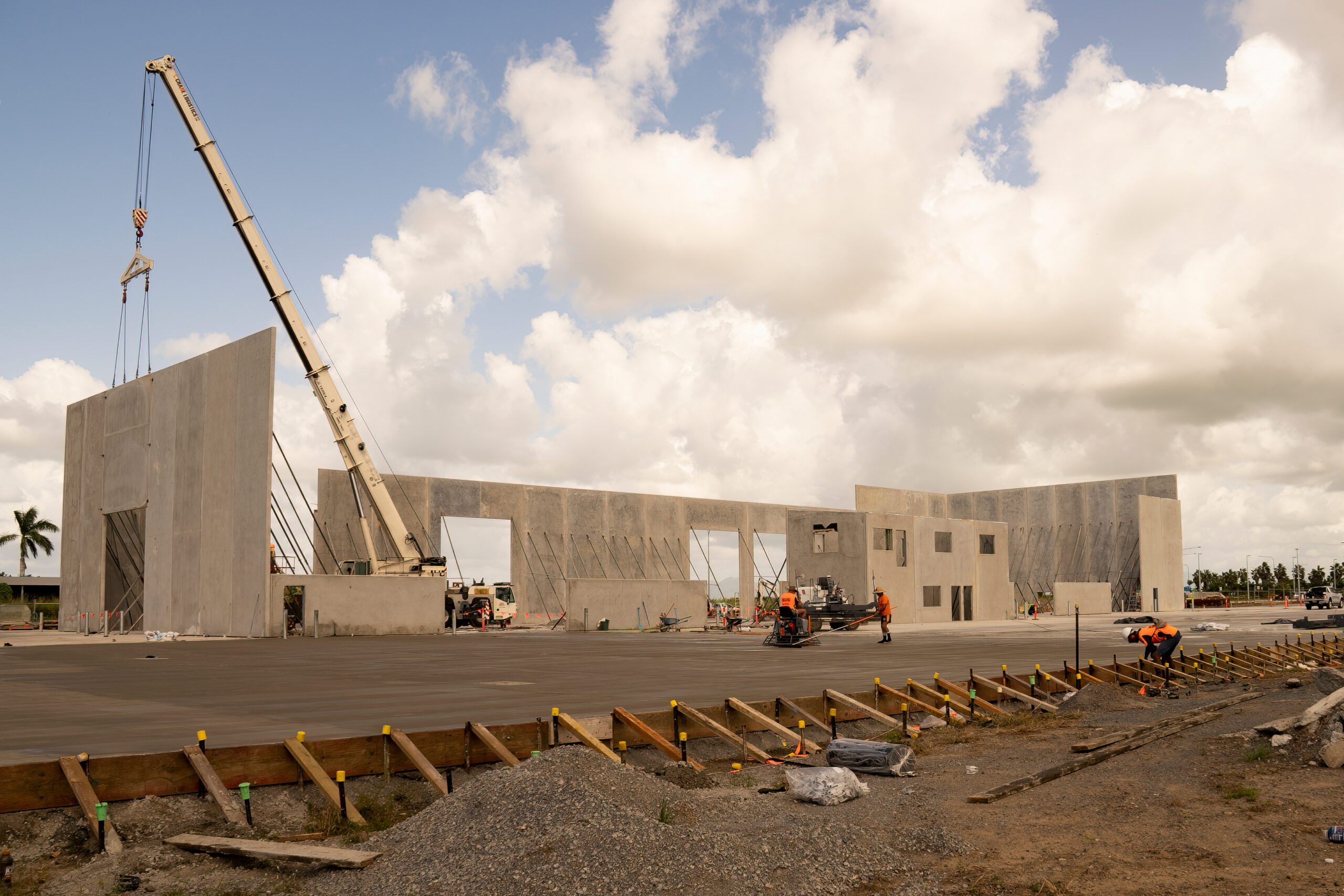
Material choice matters just as much. Concrete, for example, provides high thermal mass that keeps internal temperatures stable and reduces heating and cooling loads. Locally sourced materials cut transport emissions, while durable materials reduce the need for replacement and repair over the building’s life. Smart design decisions made early cost little to implement and pay back for decades.
2. Waste reduction and recycling
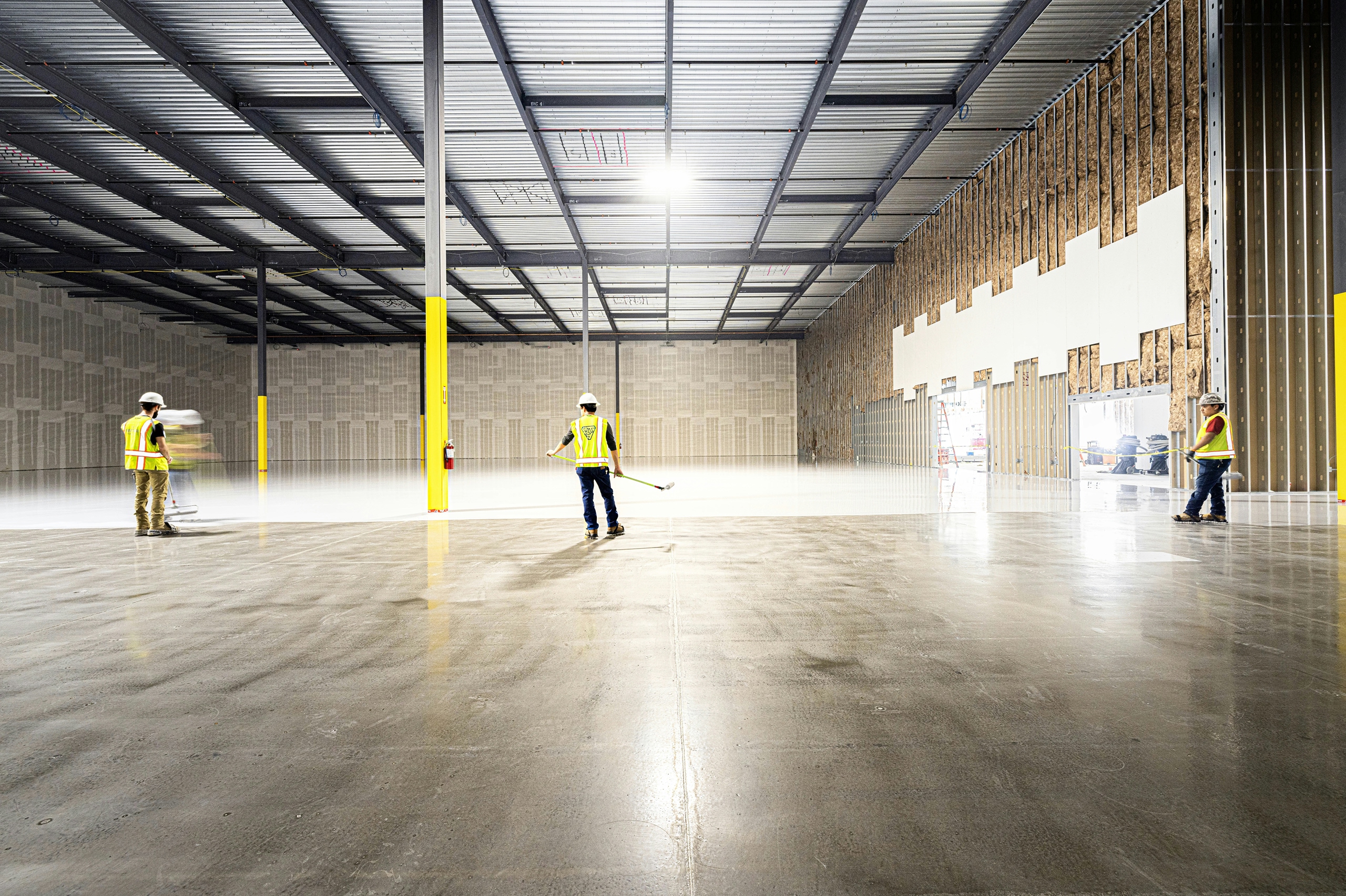
Construction generates enormous volumes of waste, and much of it can be recovered. Concrete, steel, timber, and packaging can all be sorted and recycled rather than sent to landfill.
Effective waste reduction starts with planning: ordering accurately, prefabricating where possible, and setting up proper waste separation on site. At Built Ink, our waste management program recycles 93% of site waste by weight each month, proof that high recovery rates are achievable on commercial projects when the systems are in place.
3. Renewable energy integration
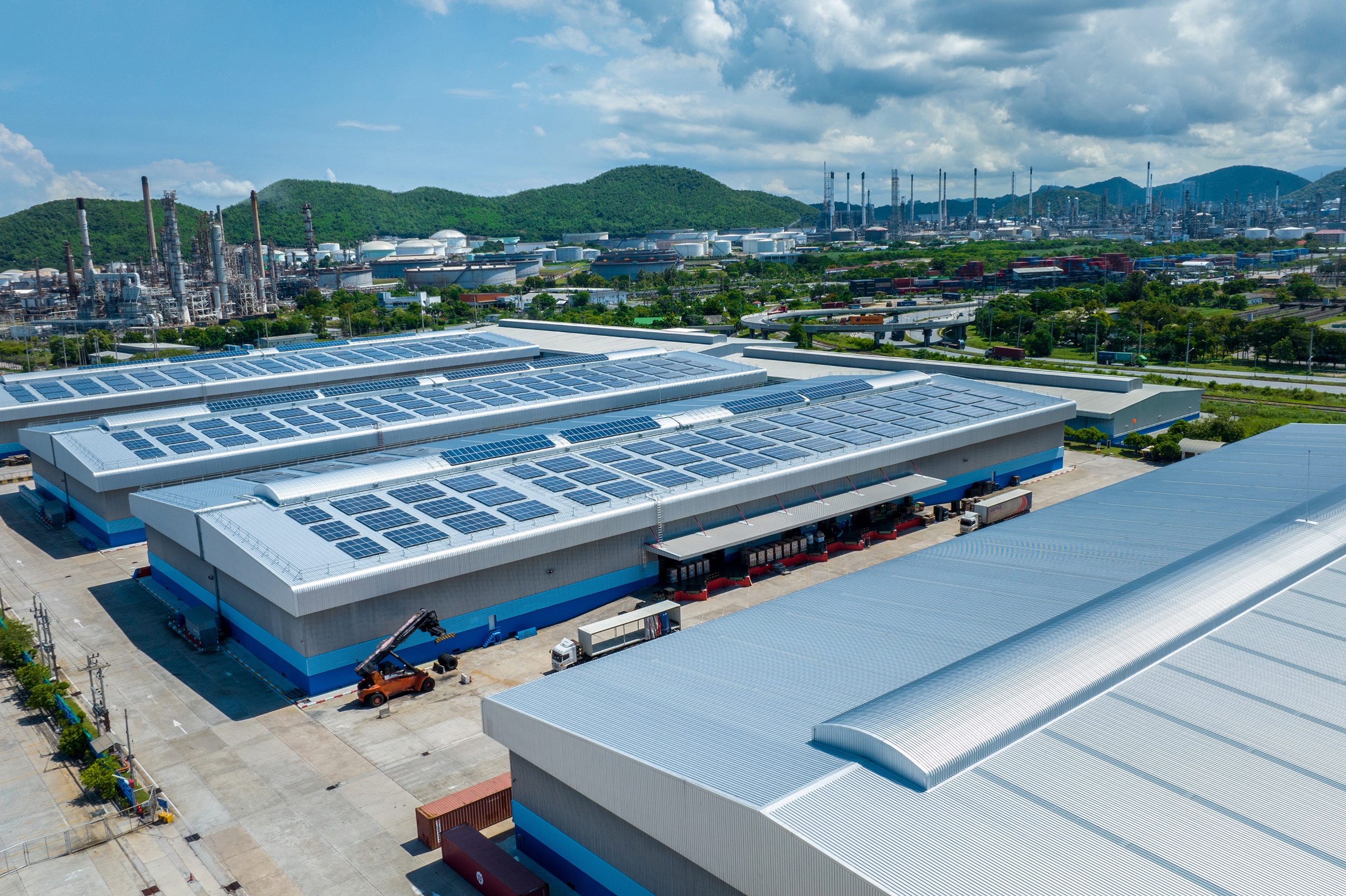
Commercial and industrial buildings offer something most homes cannot: large, unshaded roof areas. That makes them ideal for solar generation.
Modern sustainable practices in construction go beyond simply adding panels after handover. Roofs are engineered from the start to carry solar arrays, switchboards are sized for future capacity, and provisions are made for battery storage and EV charging. This forward planning costs far less during construction than retrofitting later, and it lets occupiers offset a meaningful share of their power costs from day one.
4. Sustainable water management
Water efficiency often gets less attention than energy, but it delivers real savings. Rainwater harvesting from large roof areas can supply landscaping, wash bays, and amenities. Water-efficient fixtures reduce mains consumption, and well-designed drainage manages stormwater on site rather than loading the local network.
For industrial facilities with wash-down areas or water-intensive operations, capture-and-reuse systems can significantly cut both water bills and environmental impact.
The long-term benefits of sustainable construction
Sustainability is often framed as a cost. In reality, it is one of the few investments in a building that keeps paying back for its entire life.
1. Environmental impact
The built environment accounts for a large share of global emissions, both from construction and from the energy buildings consume over their lives. Every efficient building helps shrink that footprint.
Adopting environmentally sustainable work practices in construction reduces landfill waste, cuts emissions from materials and transport, and lowers ongoing energy and water demand. For businesses with their own sustainability commitments, an efficient building becomes part of how those targets are met rather than a barrier to them.
2. Cost savings and value retention
The financial case is just as strong. Energy-efficient design lowers power bills every month. Solar generation offsets consumption. Durable, low-maintenance materials reduce repair costs over decades.
Value retention may matter even more. Tenants and buyers increasingly favor efficient, well-specified buildings, and that preference shows up in rents, vacancy periods, and sale prices. A building designed to yesterday’s standards risks becoming a stranded asset; a building designed with the future in mind stays competitive. In Perth’s tight industrial market, where quality assets already command a premium, sustainability is becoming part of what defines quality.
Build for the future with Built Ink
Sustainable commercial construction is not about adding every available environmental feature. It is about selecting the measures that suit the building, site, budget, and long-term operational needs.
Built Ink delivers commercial and industrial construction services across Perth and regional Western Australia with sustainability built into every stage. From energy-efficient building design and solar-ready structures to industry-leading on-site waste recovery, we build facilities that are ready for the future, not just the handover date.
If you are planning a commercial or industrial project and want a building that performs for decades, contact Built Ink today to discuss how sustainable construction can work for your site.