When it comes to commercial construction, the quality of a finished building is only ever as good as the design behind it. For business owners, developers, and project stakeholders in Perth, understanding what goes into commercial building design means understanding why some projects run smoothly, and others don’t.
At Built Ink, we believe that precision in the early stages of design makes all the difference. A well-executed commercial project depends on both creativity and purpose working together, guided by an experienced team that knows how to translate ideas into clear, buildable documentation.
Building design: the foundations for success
Commercial building design is far more than a set of drawings. It is the framework that holds an entire project together, providing direction for everyone involved in bringing a building to life.
Without thoughtful design at the foundation, even the most ambitious commercial construction project can run into cost blowouts, approval delays, or outcomes that simply do not serve the business the way it should. When design is done well, it creates clarity, confidence, and a clear pathway from concept to completion.
The commercial building design process: from concept to completion
Every commercial building design project follows a clear sequence of stages. Each one builds on the last, and together they ensure that what gets built reflects what was intended from the outset.
1. Site analysis and feasibility
Before a single line is drawn, the site itself needs to be understood. This stage involves a thorough assessment of the location, topography, orientation, and local climate conditions, as well as a review of applicable building codes, zoning regulations, and council requirements.
Site analysis is where practical constraints are identified early, before they become expensive problems later. For commercial construction, this means accounting for everything from soil conditions and drainage to access, setbacks, and future development potential. Getting this stage right means the rest of the design process has a solid foundation to build on.
2. Concept and schematic design
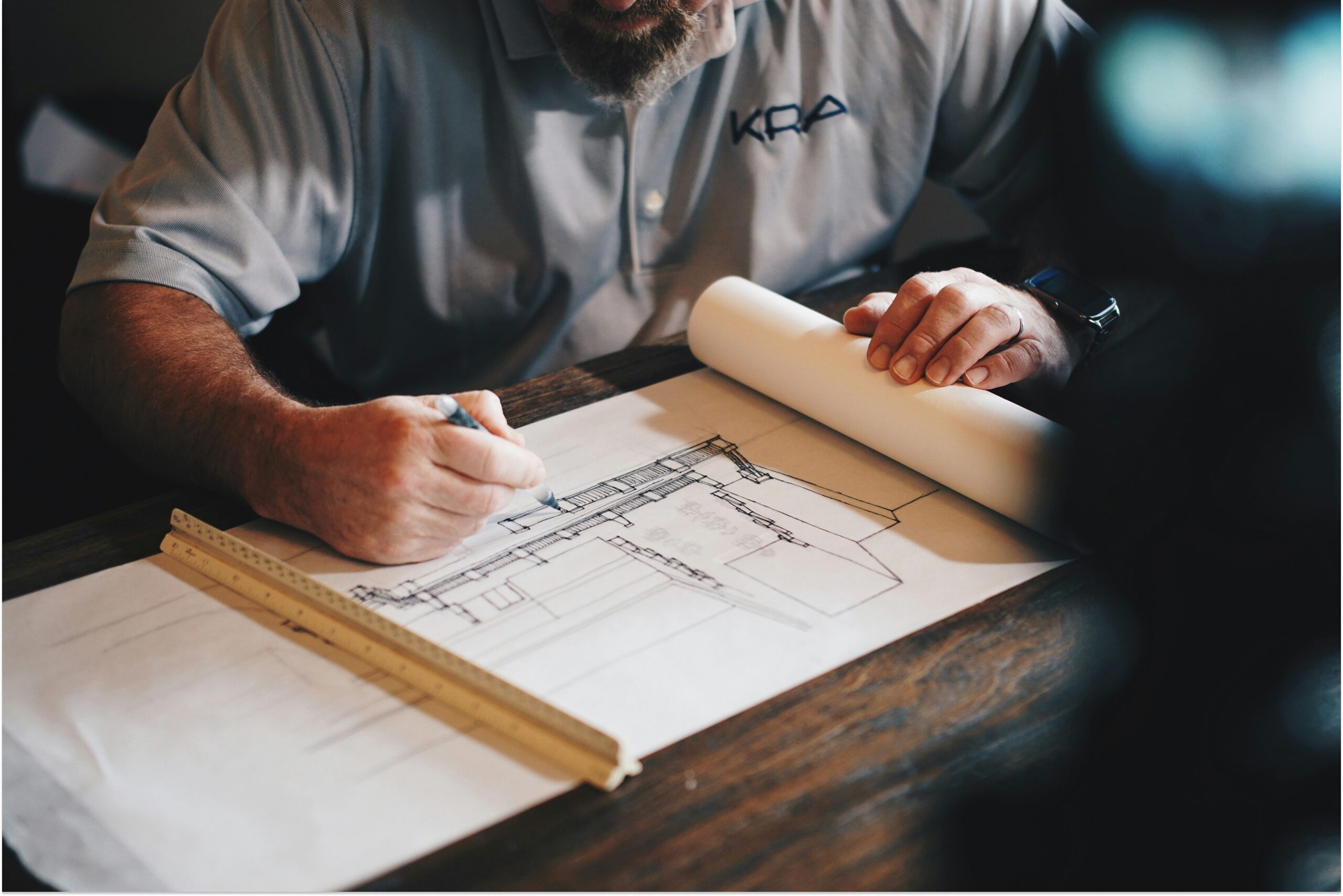
With the site analysis complete, the design team moves into concept development. This is where the project’s vision begins to take shape. Sketches, 3D modelling, and preliminary layouts allow the client and design team to explore options, test ideas, and agree on a direction before committing significant resources.
Schematic design translates that direction into a more defined form: floor plans, elevations, and a clear picture of how the building will look, flow, and function. At this stage, the focus is on getting the big decisions right, including space planning, building orientation, structural approach, and the overall character of the design.
3. Design development and documentation
This is where commercial building architectural design takes shape and becomes a reality. Design development refines the schematic concept into a fully resolved set of drawings and specifications, incorporating input from structural engineers, services consultants, and other specialists.
Documentation is the bridge between design and construction. It produces the detailed plans, sections, schedules, and specifications that builders and subcontractors need to price, plan, and build the project accurately. For complex commercial construction, thorough documentation is what prevents ambiguity on site and keeps a project on programme and on budget.
Modern commercial building design services use current software and coordination tools to ensure documentation is accurate, consistent, and ready for council approval and construction tender.
4. Construction and delivery
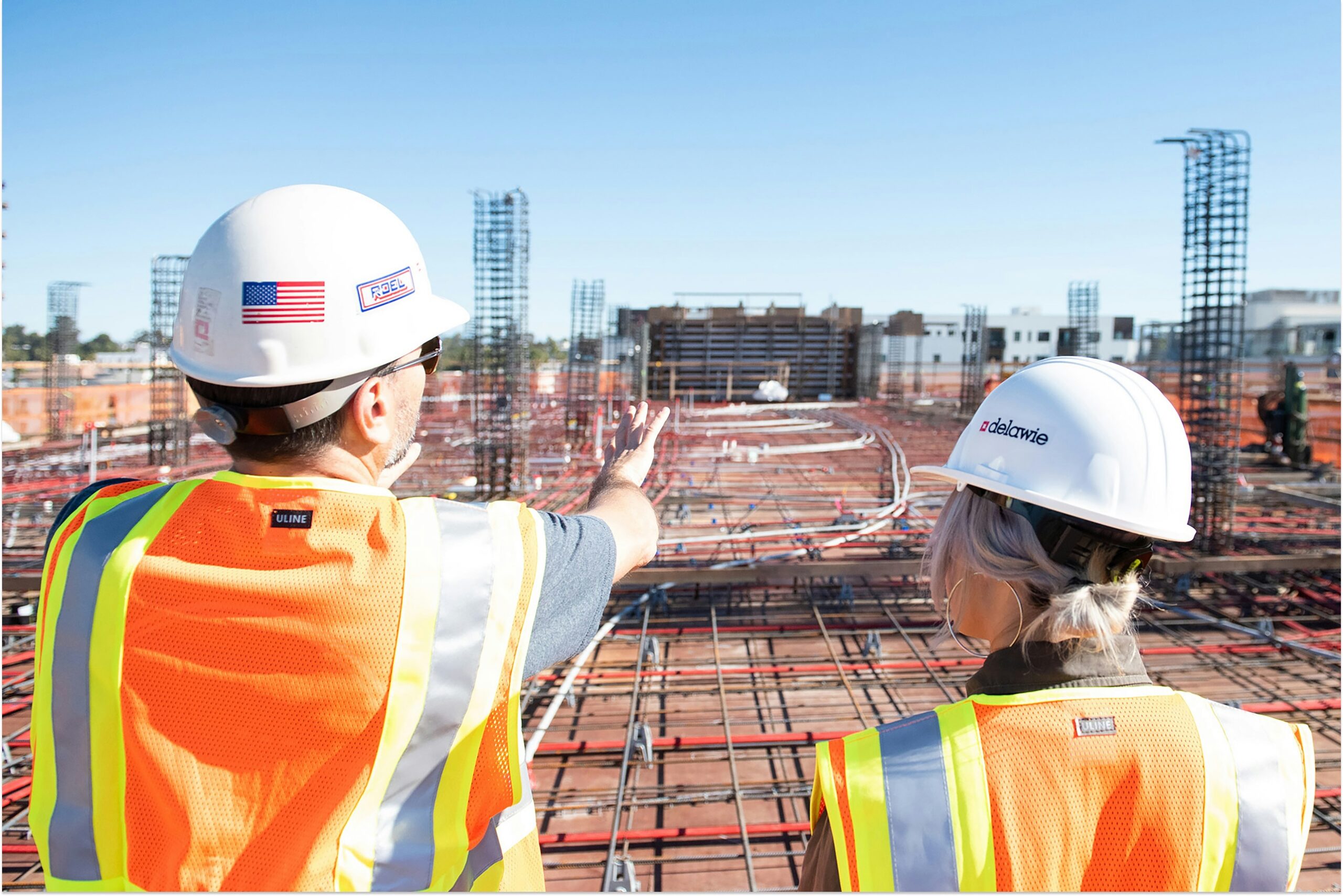
Once permits are obtained and a builder is appointed, the design team’s role shifts to supporting the construction phase. This includes responding to requests for information, reviewing shop drawings, conducting site inspections, and ensuring that the built outcome aligns with the approved design.
This is the stage where the drawings come to life. For contemporary and modern commercial building design, attention to detail during construction delivery is what separates a building that merely meets the brief from one that genuinely exceeds expectations.
The importance of collaboration between designers, engineers, and builders
Commercial building design is not a solo effort. The strongest outcomes come from genuine collaboration between commercial building designers, structural and services engineers, and the construction team. When these groups communicate openly and work from the same documentation, the result is a project that is coordinated, constructable, and delivered efficiently.
At Built Ink, our integrated design and construction model means this collaboration happens from day one. Our designers and builders work side by side, which means potential issues are identified and resolved in the design phase rather than on site. It also means our clients deal with one accountable team throughout the entire process.
Ready to Start Your Commercial Building Design Project in Perth?
Whether you are planning a new industrial facility, a commercial office, or a warehouse and workshop development, Built Ink has the experience, the team, and the process to take your project from concept to completion.
Talk to Perth’s experienced commercial builders today. Contact the Built Ink team to discuss your project.